
Perplexity builds each answer from a fresh web search, and that shows in how much its answers move. In Zumi's run of 8,740 answers to 304 beauty and personal care questions in India, the set of brands Perplexity mentioned for the same question changed more from one day to the next than on ChatGPT or Google AI Overviews.
For a brand, that cuts both ways. A Perplexity answer can pick up a newly published page quickly, and it can drop a brand just as quickly.
Key takeaways
- Perplexity searches the live web for each answer and cites the pages it read, so the pages a search returns decide which brands appear.
- Between daily runs of the same question, Perplexity's list of mentioned brands changed more than ChatGPT's or AI Overviews', with a volatility score of 0.64 against 0.63 and 0.54.
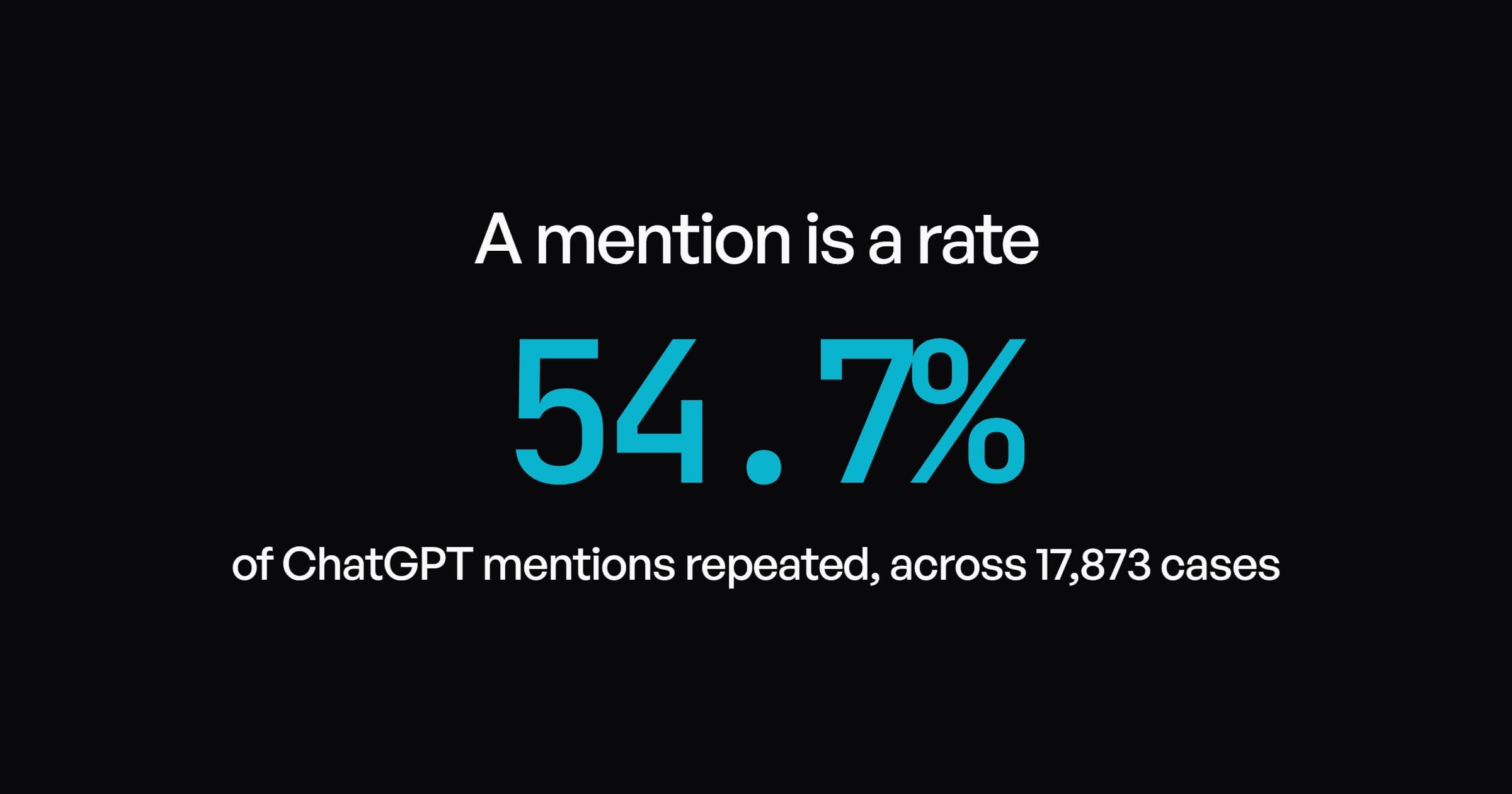
- When Perplexity mentioned a brand, the next run mentioned it again 58.1% of the time, between ChatGPT at 54.7% and AI Overviews at 62.3%.
- PerplexityBot is the crawler that surfaces sites in Perplexity's results. Perplexity says it is not used to train AI models, so blocking it does nothing for training and can keep a site out of Perplexity's answers.
- One Perplexity answer is a draw. A brand's Perplexity position is read across repeat runs of a fixed question set.
How does Perplexity build an answer?
Perplexity runs a web search for the question, reads the pages it retrieves, and writes an answer that cites them inline. The base model's memory matters less here than on ChatGPT without search. What the search returns on the day is what the answer is built from.
That makes Perplexity's sources easy to inspect. Every answer lists the pages behind it, so a brand can see which pages carried it in and which carried a competitor instead.
It also means the answer is only as stable as the search behind it. A new review, a re-ranked roundup, or a page that drops out of the results changes what Perplexity reads, and with it which brands the answer mentions.
How much do Perplexity's answers move?
Zumi asked the same 304 questions every day from July 23 to August 2, 2026, and compared the brands each engine mentioned on one run with the brands it mentioned on the next. The volatility score below runs from 0, the same brands both times, to 1, no brands in common.
| Engine | Volatility between runs | Mention repeated on the next run |
|---|---|---|
| Perplexity | 0.64 | 58.1% |
| ChatGPT | 0.63 | 54.7% |
| Google AI Overviews | 0.54 | 62.3% |
Perplexity changed its brand list the most, yet repeated a given brand more often than ChatGPT did. The two measures read different things. Volatility counts every brand that entered or left the list, and the repeat rate follows only the brands that were already in it.
One reading fits both figures: a fairly steady core of brands with a moving edge around it. The data shows the pattern, not its cause, which would take the cited pages for each run to confirm.
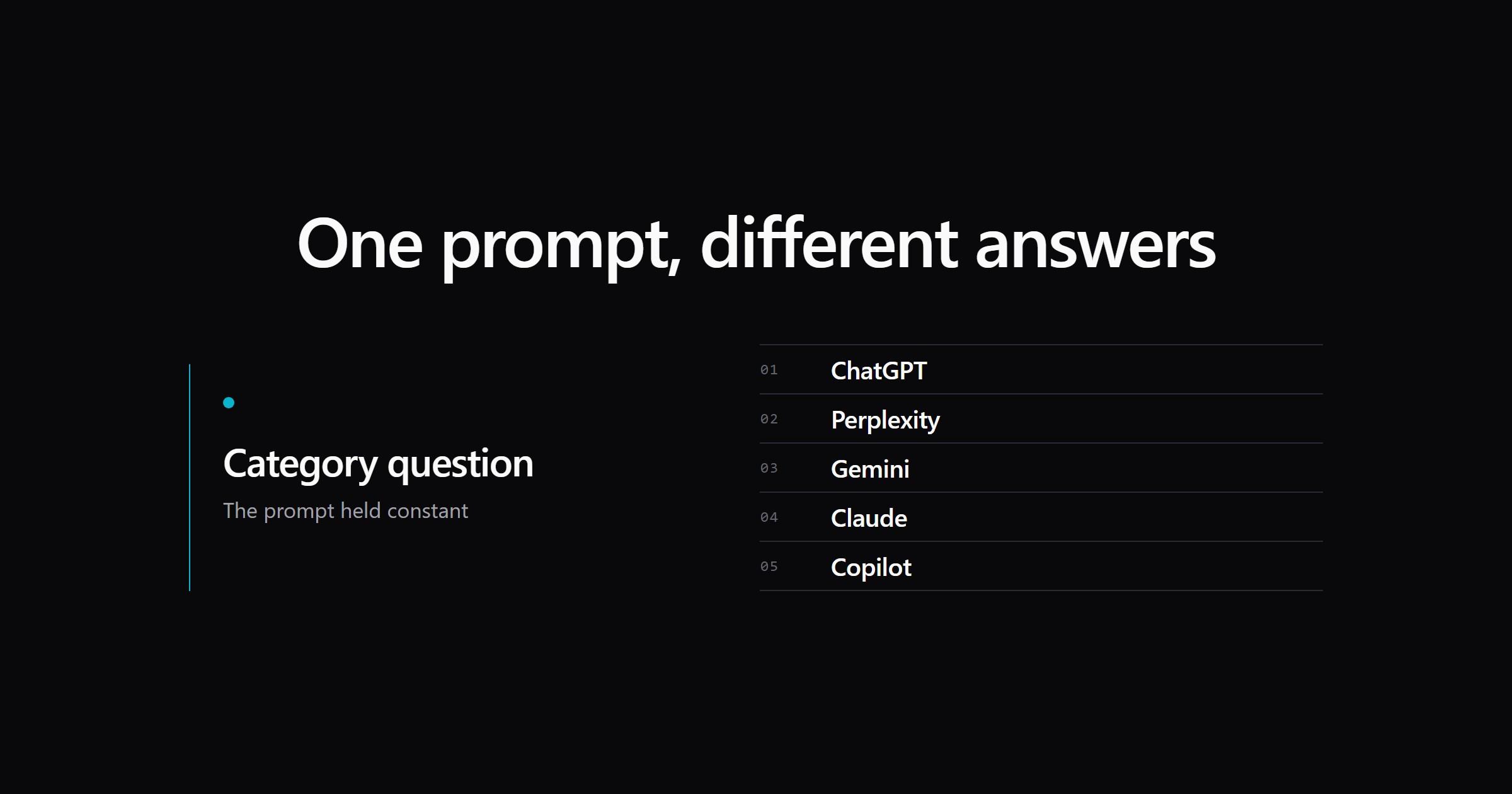
The run covers one category in one market over 11 days. Gemini, Claude, and Copilot had no repeat runs in this data, so nothing here ranks them.
What decides whether a page gets cited?
A page has to be found by Perplexity's search before it can be cited. Three conditions follow from that, and none of them is a secret ranking factor.
The crawler can reach the page. Perplexity's documentation says PerplexityBot "is designed to surface and link websites in search results on Perplexity. It is not used to crawl content for AI foundation models" (Perplexity crawlers).
A site that blocks PerplexityBot in robots.txt, or at its CDN, can drop out of those results.
The page ranks for the question. A page that does not appear in search results for the buyer's question is unlikely to be read. Ranking for several related questions gives Perplexity more chances to find the same page.
The page states the answer plainly. A page that puts its main claim, figure, or recommendation in the first lines gives Perplexity a passage to quote. A page that builds up to its point gives it less.
How should a brand track Perplexity?
The movement in the table sets the method. A single Perplexity answer can include or omit a brand on the strength of one page, so one check settles little.
- A fixed question set, run the same way each time, so each result compares with the last.
- Repeat runs per question, with the brand's presence read as a share of runs.
- Perplexity reported on its own. Averaged with AI Overviews, the steadiest engine in the table, it would look more stable than it is.
- The cited pages kept with each answer. When a brand drops out, the source list shows which page stopped carrying it.
The manual baseline method covers a first measurement without a platform. Google's engines follow different rules, covered in Gemini, AI Overviews, and AI Mode cite differently, and how to get a brand mentioned in ChatGPT answers covers the least repeatable of the three engines.
Zumi is an AI Search Intelligence Platform that tracks Perplexity as its own engine, run after run, with the pages behind each answer. Book a demo to see Perplexity's citations for a real question set.